Fried chicken continues to grow across pubs, cafés, takeaways, food halls and casual dining — but many operators still assume they need a full chicken-shop kitchen setup to get started. In reality, many successful chicken menus begin far more simply. For operators looking to trial chicken burgers, wings, strips or loaded fries, it is often […]
Not every commercial kitchen has the space, budget or extraction setup for a full ventilation canopy — which is one of the reasons ventless cooking equipment continues to attract attention across hospitality. For cafés, kiosks, food-to-go sites, front-of-house service areas and smaller hospitality venues, traditional extraction systems can quickly become expensive, restrictive or simply impractical. […]
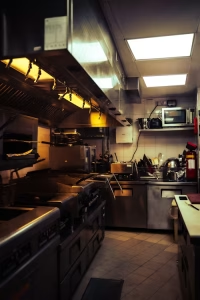
Many commercial kitchens are now expected to do far more than they were originally designed for. A café that once served coffee and cake may now need to produce hot lunches. A pub may need to handle breakfast, takeaway, Sunday service and small plates from the same kitchen. Even smaller sites are increasingly expected to […]
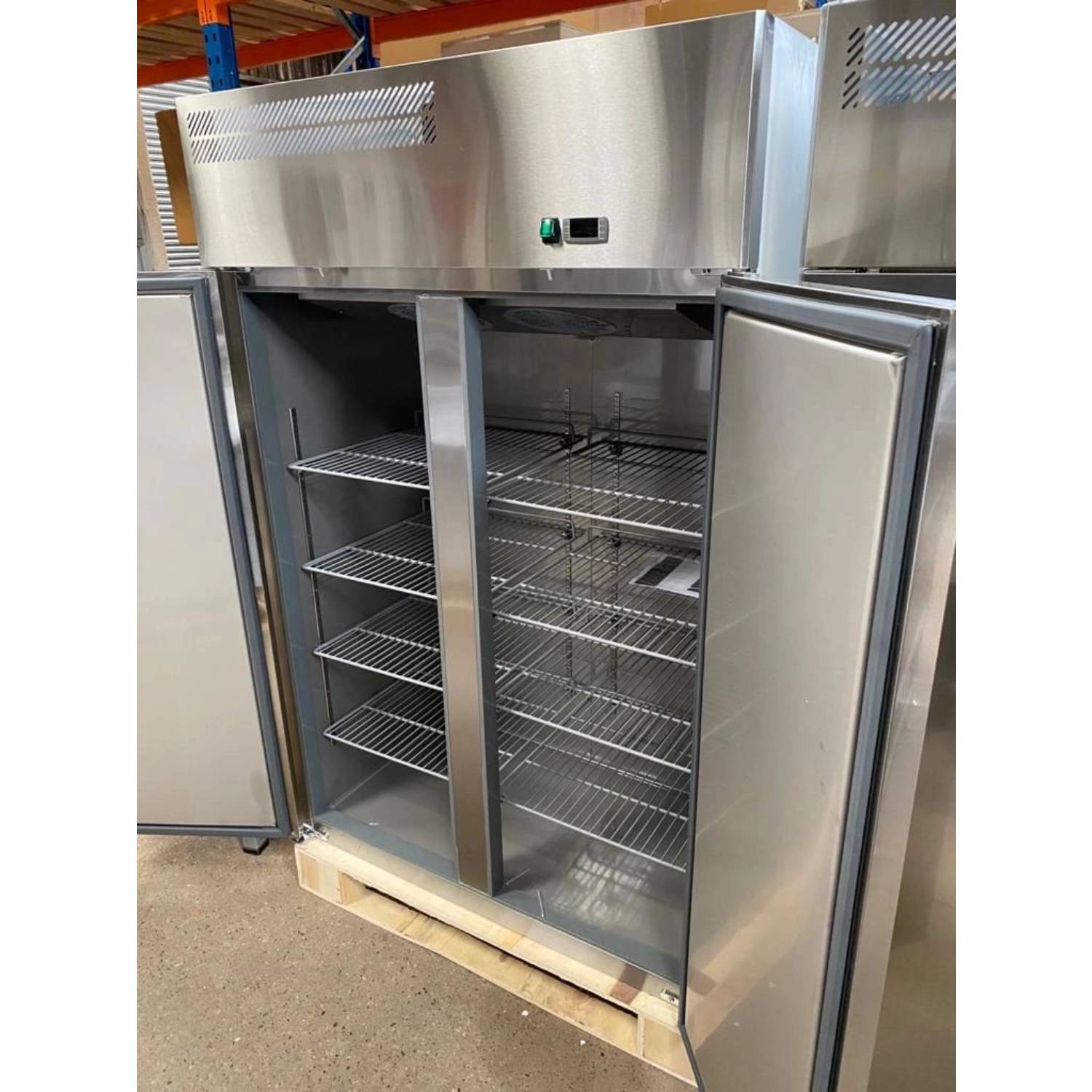
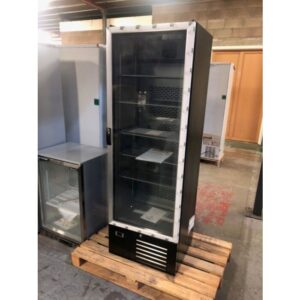
Commercial fridge and freezer capacities can sometimes look very different on paper, particularly when both gross and net figures are listed. These figures are related, but they measure slightly different things. Understanding the difference can help when comparing commercial refrigeration more accurately. The same principle can apply to domestic refrigeration too. However, it is especially […]
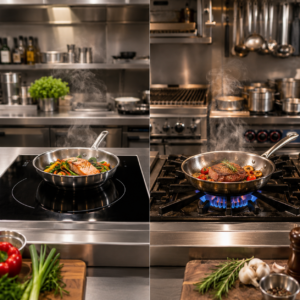
As businesses across almost every sector become increasingly aware of rising energy costs and day-to-day performance, commercial catering is no exception. While gas still dominates many professional kitchens, induction cooking is becoming increasingly visible across modern catering environments, particularly in cafés, open kitchens, food-to-go sites and newer kitchen fit-outs. Although induction cooking is fully electric, […]
In many kitchens, the microwave becomes one of the most heavily used appliances during service — which is why choosing the right model matters more than many buyers expect. While microwaves may seem straightforward, the right model depends on workload, menu type, available space and the power supply available on site. This buyer’s guide explains […]
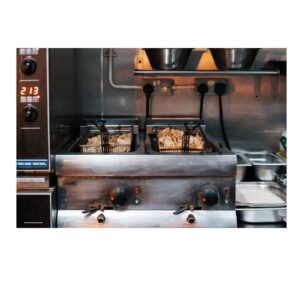
A commercial fryer can be brilliant during a busy service — until it becomes the piece of equipment nobody wants to clean. Commercial fryers work hard. One minute they are turning out chips, chicken, onion rings or fish. The next, they are quietly collecting crumbs, carbon deposits, old oil residue and grease around the areas […]
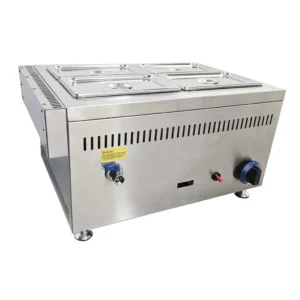
Yes — wet well bain maries need water before you switch them on. This is one of the most common questions buyers ask after installing a commercial bain marie. Some people assume every bain marie works the same way. Others think more water creates better heat. Some accidentally switch the unit on while empty. Wet […]
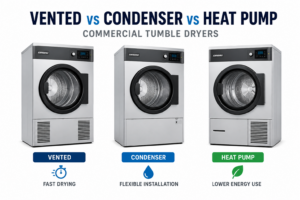
You just want a tumble dryer that dries laundry properly. Then you start shopping and suddenly everything becomes more complicated than expected — vented, condenser, heat pump… what does any of it actually mean? Choosing the wrong dryer can make installation harder, increase running costs and slow down your laundry process. A machine that works […]
Many buyers assume graded and used equipment mean the same thing, but there are important differences between the two. Many graded appliances may simply have cosmetic marks, damaged packaging or ex-display history, while used equipment will usually have previous operational use. Understanding the difference can help businesses make more informed decisions around condition, warranty and […]
One of the most common causes of poor wash results, glass marking and premature warewashing problems is hard water. Many operators only notice a water quality problem after installation, when glasses begin marking, limescale builds up or the machine requires repeated servicing. Even high-quality commercial glasswashers and dishwashers can struggle to produce clear results consistently […]
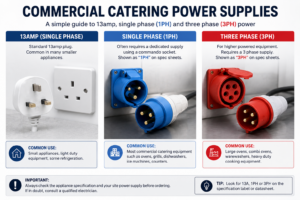
Commercial Catering Equipment Power Supplies Explained. One of the most common installation problems with commercial catering equipment is ordering a machine that the site cannot support electrically. Many appliances may look similar, but they can require very different electrical supplies depending on their power demand. Before ordering, it is important to identify both: what power […]
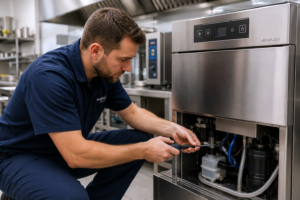
Why Warranty Terms Matter Commercial catering equipment warranties can vary significantly between products and manufacturers. Understanding the difference between: parts and labour parts only and back to base warranties can help avoid confusion later if service or repairs become necessary. Businesses comparing different types of commercial catering equipment often focus on price, output and features, […]
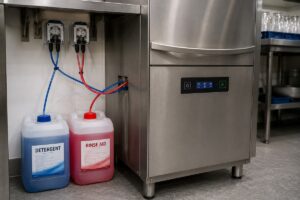
Chemical pumps help commercial dishwashers and glasswashers control how detergent and rinse aid enter the machine during operation. Some machines include built-in chemical pumps, while others rely on external dosing equipment or manual chemical dosing depending on the appliance specification and installation setup. Businesses comparing different types of commercial dishwashers and glasswashers often focus on […]
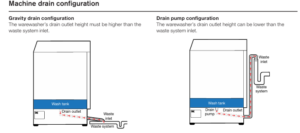
Not every commercial dishwasher or glasswasher removes waste water in the same way. Many businesses only discover the difference during installation, when the waste pipe sits too high or the site drainage layout does not suit the machine they have ordered. Businesses comparing different types of commercial dishwashers and glasswashers often focus on basket size […]
WRAS break tank requirements are one of the most misunderstood parts of commercial dishwasher and glasswasher installation. Many businesses only discover a break tank is required after ordering equipment, when an installer or engineer asks whether the site needs Type AB air gap protection. Businesses comparing different types of commercial dishwashers and warewashing equipment often […]
A break tank prevents the possibility of contaminated dish washing water back flowing into the fresh water supply. The break tank is a tank into which the fresh water from the mains supply is supplied into first, and then pumped into your dishwaher. If there is a backflow from your dishwahser, any dirty water would […]
Warewashing is an important part of your food service, and the improved efficiency and labour savings will quickly repay your outlay. But it’s vital that you choose the dishwasher and glasswasher that’s right for your organisation. Anglia Catering have put together this mini-guide to help you choose the dishwasher or glasswasher that’s right for you.